Flu Danger and the Elderly
January 23, 2019How Dangerous is the Flu for the Elderly?
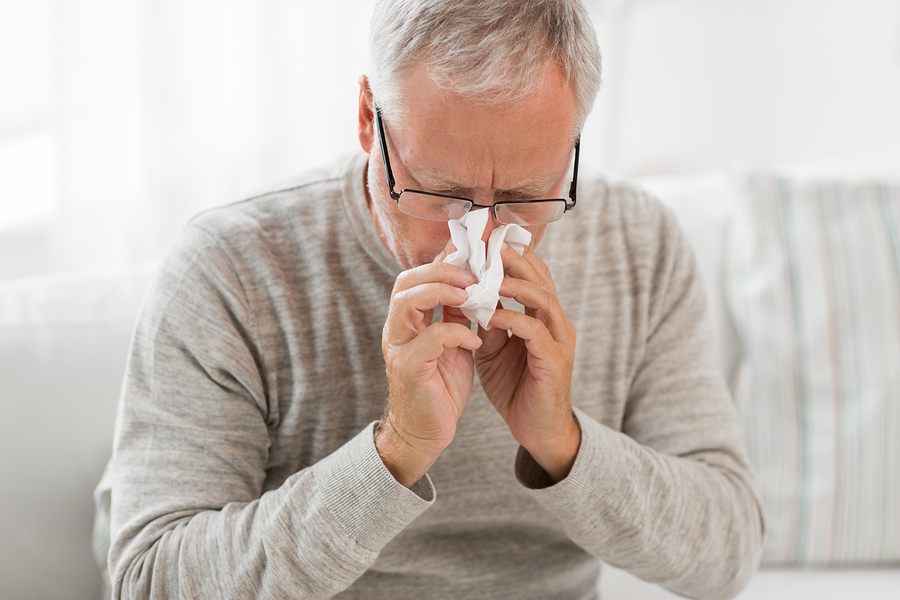
We have all caught the flu at some point in our lives. But, as we get older it can be vital to take precaution against it. Consequently, as we enter our senior years, our immune systems can’t fight infection as efficiently. Therefore, this is why it is important to keep up with our health and nutrition as we age. Considering how dangerous the flu can be for the elderly, an annual flu shot can become a part of their annual health and wellness routine.
The majority of hospitalizations and deaths resulting from the flu(influenza) come from the elderly population(age 65 and up). The Center for Disease Control and Prevention has noted that between 70-90% of flu related deaths have been in those over 65 years old.
Flu Season
The flu season starts to peak between December and February. Therefore this peak means the most flu danger in the elderly, and you and your loved ones should understand the precautions in place to stay healthy. Subsequently, this can mean receiving an annual flu shot. There is even the added benefit of specific senior flu shots.
What is a Senior Flu Shot?
What is generally different about the senior flu shot is the amount of flu proteins or the way in which it triggers an immune response. The CDC notes two “senior” flu vaccinations, including the high dose flu vaccine and the adjuvanted flu vaccine.
Researchers have studied the effectiveness of the senior flu shot in many studies. Case studies across the United States and Canada have found an advantage to the senior flu shot. As a result of these studies, the CDC has made their own recommendations for the flu shot. Ultimately, the CDC noted positive correlations in effectiveness of both types of the “senior” flu shots.
Stay Informed About Flu Danger
What a senior flu shot can do for your or your loved one can mean the difference each flu season. But, above all, it’s important to continually visit your doctor, and talk to them about the decisions you make about your health. Flu danger in the elderly is not the only health consideration.
Educating yourself and knowing your options are important. But, no one can replace the advice of a medically trained professional. Hence, this is especially true in the case of the elderly and those with compromised immune systems. It’s important to find out if you or your elderly loved one is capable and healthy enough to receive the flu shot.
Our Commitment to You
At Homecare Powered by AUAF we strive to provide you with the best quality of service and information for your senior loved ones. Hence, this quality is represented in all areas of our practice. In short, If you would like to find out more about Homecare Powered by AUAF give us a call at 773.274.9262 or take a look at our senior home care website.
Finally, if you found this article interesting, and would like to read more about other issues affecting seniors, take a look at our senior living articles.
References
Nathan Seppa. (2014). High-dose flu shot benefits elderly. Science News, 186(7), 15. Retrieved from http://www.library.illinois.edu.proxy2.library.illinois.edu/proxy/go.php?url=http://search.ebscohost.com.proxy2.library.illinois.edu/login.aspx?direct=true&db=edsjsr&AN=edsjsr.24367265&site=eds-live&scope=site
Articles:
-
How to Use FaceTime: a Senior’s Guide
March 20th, 2024 -
The Best Organic Cleaning Products for Caregivers
March 19th, 2024 -
Celebrating St. Patrick’s Day with Seniors
March 14th, 2024 -
Intellectual Activities for Seniors to Keep their Brains Stimulated
March 13th, 2024 -
Tips for Communicating with Seniors with Hearing Loss
March 12th, 2024 -
How to Learn a New Language as an Older Adult
March 7th, 2024 -
Foods that Support Bone Health in Seniors
March 6th, 2024 -
A Note to Our Staff for Caregiver Appreciation Day
March 1st, 2024 -
The Importance of a Senior/Caregiver Bond
February 21st, 2024 -
Recreational Sports as Fitness for Seniors
February 27th, 2024 -
Exploring the Wonders of Reminiscence Therapy
February 15th, 2024 -
Staying Educated on Alzheimer’s Disease and Dementia Care
February 14th, 2024
Call Now! 773.274.9262